Yeah, I'm still here. Struggling to focus on any particular outrage at the moment, so I'm going to think of happy thoughts instead.
Edit: Thank you Steve in Manhattan for sharing this at Crooks & Liars'Mike's Blog Round-Up. And to the National Guard people getting shipped away from their families and work in order to invade DC on the Shitgibbon's orders, you always have the option to quit the Guard so you won't attack your fellow Americans.
Ever since I learned of Woodstock as a lad, I remained intrigued at the confluence of events, the tiny miracles, the realization that for the most part the people who attended were in good spirits and enjoyed the experience. I found a YouTuber sharing slides where they had attended in person:
The music was a key part of the festival, but the people who were there made it historic.
We're starting to get further away from the original festival of music and arts (and hope), but we need to remind ourselves our nation - the kids, the cops, the bands, the citizenry of Bethel - did okay in a confusing chaotic weekend.
I may go visit the museum in Bethel when I find the time, maybe plan ahead for next year.
In the meantime, some Youtube clips I've scavenged:
One of my historical interests has been the 1960s, a decade of upheaval and change that ended just before I was born. Looking back at all the events and culture that took place - the Beatles, JFK (blown away, what else do I have to say?), the Berlin Wall, Vietnam, Civil Rights, Reverend King, Star Trek, Doctor Who, the rise and fall of Hammer Horror, the changing mores of cinema and television...
At the top of the pile sits Woodstock, what would have been a relatively minor blip in history as a music and arts festival somewhere in the hills of New York state, something akin to other rock festivals of the era - Newport Jazz, Monterey Pop in 1967, Isle of Wight in the UK - meant to get a bunch of big names and rising stars to entertain about 50,000 or so and make a little money for the organizers.
Instead, Woodstock got overwhelmed by a bizarre series of mistakes and misunderstandings which led to hundreds of thousands showing up thinking the concert was free/open to the public, creating logistical breakdowns and nearly triggering a National Guard crackdown before calmer heads prevailed.
To me, the way the whole disaster unfolded and the way the people at the event handled themselves and turned it from debacle to destiny remains one of the most uplifting moments in our history. Confronted with food shortages, bad traffic, bad drugs, worse weather, missing or unavailable performers, shoddy sound systems, and more mud than a pig sty, there should have been every reason for 500,000 people to panic and riot.
But they did not. Most of them got chill, hung out with friends, played in the mud, listened to the music that did make it onstage, and behaved themselves. Volunteers popped up everywhere to keep things working, especially at the medical tents where kids tripping on the bad acid were watched over until they cleared their heads. The local town of Bethel for the most part donated food and supplies, and the visiting hippies for the most part were polite back to them. The cops didn't go out of their way to arrest anybody. Fights were few, deaths were accidental.
There are arguments in philosophy about human behavior, if people as individuals or as groups are evil or good. Rousseau argued for the latter backing a belief in the "blank slate" nature of humanity, that removed of external pressures most people will not act maliciously towards others: That when given an opportunity on their own terms to be good, people will act good.
Woodstock is a good example. Confronted with a difficult situation most people made the best of what was happening to them, and when confronted with a choice to do well to others decided to help those others.
...As Rolling Stone‘s first chief photographer, Baron Wolman heavily documented the festival, witnessing legendary musical moments like Santana’s psychedelic “Soul Sacrifice” and Jefferson Airplane’s Grace Slick belting “Somebody to Love” in her iconic silk-fringed dress. Wolman’s main focus, however, was the heart of the festival: the attendees. Whether they were camping out in tents or bathing in the nude with their children in tow, Wolman captured the essence of what it felt like to really be there...
"...I never worried about my safety. I had a great time. The people in the front were starving; they ran out of food. Backstage, they had a barbecue for the performers. I didn’t realize that or I would’ve gone back and eaten, too. I would just eat whatever I could find. I was so wired and so excited and it was such an adrenaline rush because I’d never seen anything like this. I call it the gathering of the tribes, where only good things were happening. I always tell people it was a disaster waiting to happen that didn’t. That was one of the miracles of Woodstock: It could have been horrible, and it wasn’t. We all really believed, 'Wow, we can all get along! And if we can get along, maybe the world can get along.'
The military and the counterculture were at each other’s throats. It was 1969, there was still a draft, the Vietnam War was going on, everybody hated everybody. But the military came with their Medevac units and helicopters to help take away the people who had medical problems. And I thought, man, that’s the way it’s supposed to be. We’re all in the same country, why are we hating each other? The military and the counterculture, for one brief weekend, were getting along in the way it should be. But you know…the dream of Woodstock petered out pretty quickly..."
Sad but true. For all the forced attempts to recreate another Woodstock - Stones at Altamont, Woodstock '99 - none of them had the genuine intent towards the blank slate of human behavior Rousseau argued for. The Woodstock Nation, as Abbie Hoffman once proclaimed, ended up being a brief moment in time.
But an unforgettable moment. We had the benefits of filmmakers being there, album recordings made, photographs by the museum-load. It does not hurt to look back with awareness of what was a magical time and place (well, save for the 100 tons of trash the hippies failed to pick up) and dream of the possibility of finding that moment again...
Why I still sit in awe at the intensity of Santana's "Soul Sacrifice" and the drum solo:
Why I wake up some mornings to Jimi Hendrix's "Star Spangled Banner":
"We must be in heaven, man!"
P.S. No, my parents weren't at Woodstock. Not EVERYBODY was at Woodstock, okay? Just 500,000 of you, that's the max and you know it. Everybody says they were at Woodstock when they weren't, knock it off. Sheesh.
But given the insane bullshit that is the trump Era, I am finding it hard to say anything good about a moment in American History where people did their best in a chaotic situation to pull off one of the most memorable rock festivals of all time.
This is what you wrought, Republicans. A madman in the White House and Nazis fist-bumping each other because they've got a guy in trump who'll let them run wild in our streets.
There's just something about the fact that 500,000 people gathered together in terrible, rainy, muddy, starving, and for some drug-hazed, conditions in the heat of August (even in New York) in the middle of Max Yasgur's farm outside of Bethel, and most basically walked away in good spirits and incredible memories.
For a weekend in 1969, they had a population that rivaled major cities. You could tell because the traffic was f-cked up.
For all the fears about getting so many young adults, likely on drugs - it got to where the Governor Nelson Rockefeller was just seconds away from calling in the National Guard, with the local law enforcement arguing against it - and potentially in a mood to riot if conditions got bad... nothing violent happened. Well, there were obviously a bunch of fights here and there (one food vendor burned down because they were inflating prices on their burgers) but for the most part people worked to keep the weekend event going. The local townsfolk volunteered to help with food rations. People did duty as first aid medics. Bands did extra sessions on stage to cover for acts that had to be flown in by helicopter.
It wasn't pretty.
But it was beautiful.
Usually in history when you get 500,000 together in one spot for an event, it tended to be a battlefield, massive armies pummeling each other into blood and death. Woodstock was one of those rare moments when that many people got together for a weekend to delight and enjoy and commune. Some didn't come away with that feeling, but many others did.
It was one of those moments that proved Rousseau right: that in a confusing and chaotic environment, coming at a problem with a blank slate, most humans would behave in their self-interest but towards a common good. At Woodstock, where people didn't know exactly what was going on, tried to behave as well as they could under the circumstances.
It was a situation where people more often shared their food rather than steal it. It was a situation where people took total strangers to the medical tents and helped out. It was a situation where one guy manned the Port-O-Sans to keep them clean and did it with a happy grin on his face.
Speaking of, I am sending up flares to Mr. Michael Taggart again. You left a comment on that Woodstock blogging I did about your father, but you didn't leave a contact email. PLEASE email me back, sir. I really want to hear your story.
Hello, Mr. Taggart. You left a comment on this blog this weekend asking for me to contact you, but you did not leave a forwarding link.
So I need to leave a link here for you to email me. I tried to add this to the article in case you re-visited it, but I'll create a brand new blog article here in case you're just tracking the blog itself.
The best way for you use that email link is to right-click on it, Copy the address link, go into your email account directly, use the Compose command, and then right-click and Paste in the To: field. Or if you're viewing this via a Tablet, just tap the link and it should pop up your Email app to Compose that way.
Not writing much here today, focusing poorly on the damn story writing I keep trying to finish mutter grumble. So instead, you get some solid music from the Woodstock festival of 1969:
Santana.
Ten Years After
Joe Cocker
Janis Joplin. At least she was nice enough to ask how the audience was doing.
Have at it. I'll try for some weekend commentary tomorrow. ROCK OUT AND PEACE IN!
It is, yet again, August 16th and time to remember back to Woodstock.
Why? Why so much nostalgia for a concert I never attended (I was born 1970, nine months later... and no, my parents were in Spain at the moment...)?
Because, as a student of history, the moment appeals to me.
Coming at the end of a turbulent decade - the 60s - the concert was a royal f-ck-up, a disorganized mess, the promoters just a bit overwhelmed by the scale of their initial attempt and ill-prepared for the turnout that showed up (eventually 400,000 to 500,000 people, practically a major city). They didn't have enough food or water, not enough security, poorly planned parking and traffic (it is not exaggeration to say that the concert shut down the southern half of New York state traffic).
It didn't help the surrounding communities either to have 500,000 show up unexpected on their doorsteps. Bethel NY in particular bore a huge brunt of the problems, primarily helping out with keeping hundreds of thousands of concert-goers fed. God bless 'em though, the people who lived there helped:
And that's kinda why I think fondly of Woodstock: people were for the most part good. Good to each other. Sure, there may have been a handful of people overpricing stuff or ripping others off, but those seem so few and far between and I can't find a lot of evidence about that.
There were only two deaths out of 500,000 people: one a heroin overdose and the other an accident involving a runaway tractor. Almost no major fights, at least nothing reported to the local hospitals. And most of what the hospitals handled were broken bones and medical emergencies.
And the key thing, about it being the Sixties: the concert-goers and the local police got along. We're talking about the turbulent protest era, over civil rights and against the Vietnam War, where nearly every major march ended up with cops in riot gear launching tear gas and swinging batons at the dirty hippies. The majority of the concert-goers were young and anti-war protesters. There was a lot of drug use: a good amount of pot, and remember watch out for that "brown acid". Any one of these things could have set the cops into Riot Control mode on top of the fact they had 500,000 people stumbling about Max Yasgur's farm.
The local police, however, tried something I'm surprised most police forces don't even apply 40 years later: a Soft Power approach of keeping the peace, where they didn't line up to intimidate the crowds with snipers and guys in body armor, but allowed the hired security people - most of them off-duty or ex-cops already - to patrol and handle the crowds. The decision came down to avoid going after the drug users: the reality that a lot of attendees were gonna get high made detaining any of them a logistical nightmare.
Somewhere and somewhen, the local police tried treating the concert-goers not as rioters but as people. And the results worked:
"...Not withstanding their personality, their dress and their ideas, they were and they are the most courteous, considerate and well-behaved group of kids I have ever been in contact with in my 24 years of police work," Lou Yank, the chief of police in nearby Monticello, told The New York Times...
Treating each other with respect tends to be a two-way deal. And it made the Woodstock Festival work well enough that 45 years later everyone involved in it can look back with some small pride of being part of one of the biggest non-violent events in world history.
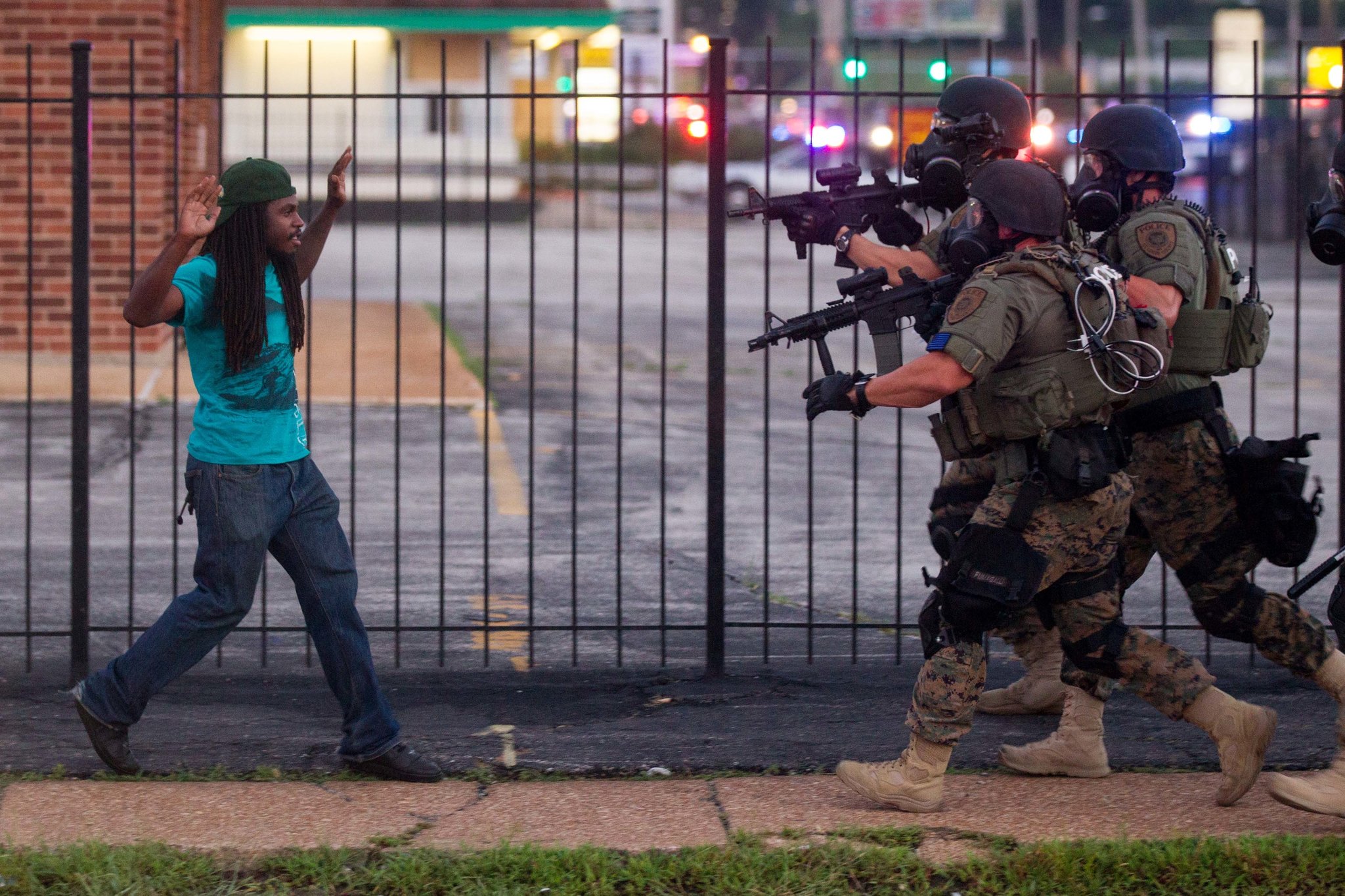
Sad to say, compared to the problems we've got whenever a protest or gathering forms anymore:
These are pictures from the first few days of protests in Ferguson Missouri after an incident where a cop shot an unarmed black teen in the back under questionable circumstances. The local city and county police decided to bring in riot gear, body armor, snipers, and more personal firepower than most of our armed forces didn't deploy with during their tours of Iraq and Afghanistan (the quote sticking with me from an article from Business Insider: "We rolled lighter than this in an actual war zone"). And the county and city cops used rules of engagement that pretty much ensured rubber bullets and tear gas went flying everywhere, especially by Wednesday night.
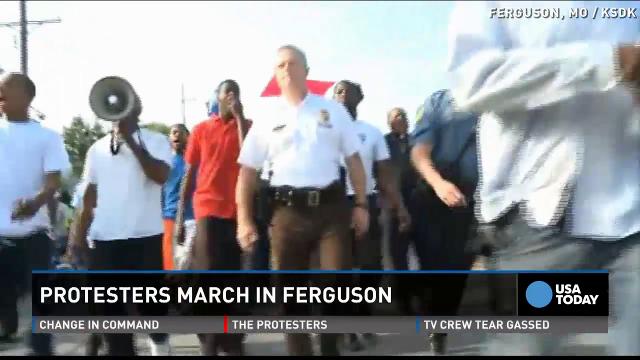
It got bad enough that the state Governor forced the Ferguson PD and county law enforcement to stand down, sending in the state highway troopers to keep the peace. And they went in like this:
The state troopers went in talking, not shooting. Walking with the protesters. Mingling. Hugging.
Wednesday night had violence. Thursday night had hugs. Notice a difference...
This is why we gotta remember Woodstock. Everybody - the police, the civilians, the neighborhoods, everybody - went in on their best behavior, and everything worked out for the best. Lessons that need to be learned.
It's that time of the year, kids! It's WOODSTOCK ANNIVERSARY TIME!
And this time, we're letting Jimi do the talking:
"Unorthodox...? I thought it was beautiful."
Take a listen. Hendrix wasn't classically trained, barely could read a sheet a music. He played completely by ear, by feel. It's why he re-tunes the guitar as he plays it, because he hears something a bit off and wants it fixed then and there.
Critics tend to think Hendrix played a bombastic version of the song as a commentary on the violence of war in Vietnam, but remember what he said to Dick Cavett: "I thought it was beautiful." He played it... plays it that because he hears it that way.
As a student of history and a student of the Sixties, I do my bit to write about the '69 Woodstock Festival once every year on its Anniversary in August.
Today's an exception, and a sad one at that: Richie Havens, the opening act of the Woodstock, has passed on.
Havens was an important reason for why the festival turned out the way it did: all the disasters and accidents that made the opening hours a near catastrophe were dispelled once the performers got on stage and worked the growing crowds.
He was only meant to play about a half-hour's worth of stuff. But due to traffic snafus and such many of the bands hadn't gotten to Max Yasgur's farm, so the organizers kept asking Havens to add a few more encores. When he ran out of material, he went to calling up a blues spiritual "Motherless Child" and mixing his own improvised lyrics to it. He came up with "Freedom" right there on the spot.
His signature moment.
There's not much else to say but he's at home now.
Not about to let another year go by without a Woodstock reference!
The song ends just as the sun rises on the Sunday morning of the festival. After this, The Who would stage it during concerts to have a sunrise effect as they finish this song.
For some reason, the YouTube I found for this time doesn't have an embed option. Ah well, here's Country Joe McDonald!
What the hell, here's an embed. It's Not Safe For Families and God-Fearing Baptists. God-Loving Baptists hopefully will have a sense o' humor about it.
(Update 4/30/2016: Whoa. WHOA! HOLY (Awed and stunned cursing inserted here). Mr. Taggart if you're re-reading this blog my email link is here, please get back in touch with me at your best convenience.)
(Update 6/5/2019: There was a sudden surge in viewership today and more comments than I'm used to getting. Was I linked to something?)
(Update 8/15/2019: This is now the official 50th anniversary of the Woodstock festival. Thank you, Mr. Taggart for your hard work back then.)
Today is August 15th. It was 40 years ago today in 1969 that a bunch of enterprising hippies started what they thought would be a modest-sized 3-day festival out in the hills of New York state.
I grew up after, being born in 1970, with the Myth of Woodstock permeating the American culture well into today. Having one of the best film documentaries of all time playing every so often on PBS or Bravo or Biography channels (did MTV ever broadcast it? Probably, but I bet VH1 did a few years) didn't hurt.
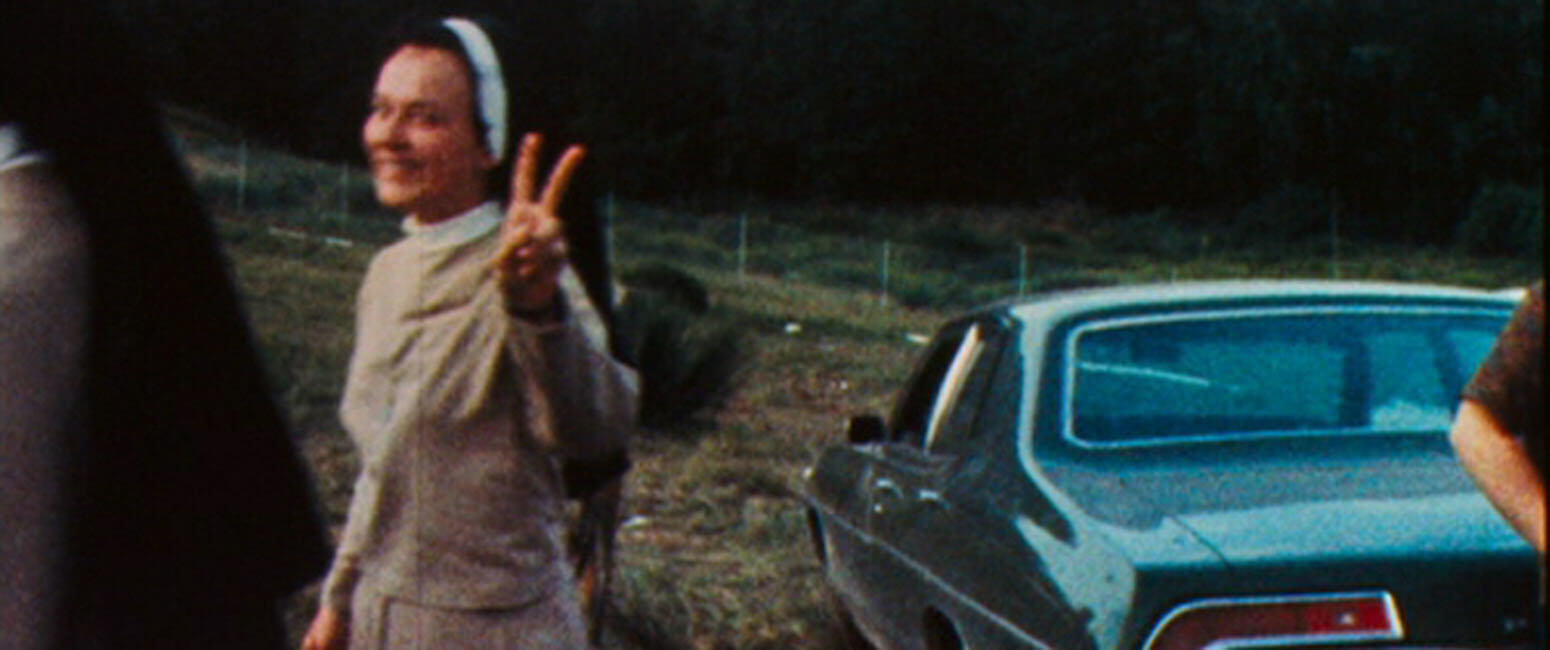
The Woodstock documentary is pretty long (director's cut on DVD prolly moreso), and let's face it away from showcasing the musical performances it does meander and get self-referential/self-indulgent. But there are images and sounds you can never ignore: Richie Havens' impromptu jam of "Motherless Child" turning into a uniquely brilliant song "Freedom"; nuns flashing peace signs; the mud baths; Wavy Gravy being relatively saner than usual and warning others about the brown acid; Hendrix's Monday morning wake-up call with the bomb-sonic "Star-Spangled Banner," as the movie comes to a close with images of before (the calm rolling hills of farmland) and after (the mounds of trash and mud left behind by indulgent hippies, damn for a bunch of bleeding-heart do-gooders you can't clean up your own pollution?!).
But the bit that stays in my mind was added toward the end, a brief interview with one of the few guys actually working that weekend: the Port-O-San cleaner.
Update: trying to replay the YouTube clip...
Here's this middle-aged guy, doing back-breaking work - and you don't see a crew there it looks like he's doing this solo, cleaning up after all the damn dirty hippies - and there's no anger or bitterness about him, he's just doing his job, and he says "Glad to be doing it for these kids. My son's here too. And I got one over in Vietnam too. Up in the DMZ now, flying helicopters."
Boom. Right there. One of the other things that Woodstock captured was the moment in history America was deep in a war. A war that had become increasingly unpopular, and not just with the hippies. Even by 1969 Vietnam didn't look like it was going to end well, but kids kept going over there as soldiers, families all across the nation had to recognize what the cleaner guy was going through. And there he was, a son in 'Nam, a son at Woodstock...
David Crosby mentioned the Port-O-San guy in an interview quote in Rolling Stone back in August 24th 1989 issue (can't find a full-text link, so check your local library!). Film reviewer Roger Ebert also took note. Crosby and I - and probably a few million others - all had pretty much the same question: What happened to that guy? What happened to his sons? Did his son survive Vietnam? Did his son survive Woodstock (I'm talking metaphorically here)?
Every so often, when this time of year comes around, I took a moment to dig about, try to see if anything available in the libraries - histories, newspaper articles, stuff like that - would provide some light on that question. Finally, someone updated a trivia note on the IMDb entry: the guy - Thomas Taggart - had sued the filmmakers "...on the grounds of mental anguish, embarrassment, public ridicule, and invasion of privacy. An appellate court opinion in this lawsuit may be read at Taggart v. Wadleigh-Maurice, Ltd., 489 F.2d 434 (3d Cir. 1973)."
O.o
This was kinda heart-breaking. Here he was, one of the real heroes of the Woodstock festival, filing a lawsuit out of what seemed to be anguish. Were people harassing him over his appearance in the film? What happened?
36. Taggart contends that the sequence in which he was interrogated while performing his necessary though not necessarily pleasant employment was edited into the 'documentary' in such a way as to achieve, at his expense, a comic effect. That this may well have been the intended and actual effect is supported by evidence in the record of the reaction of critics. For example, Kathleen Carroll, the critic, stated 'The funniest scene shows the latrine attendant proudly demonstrating his job.' Craig McGregor, writing in the New York Times, April 19, 1970, stated '. . . and the man who is the real schizophrenic hero of Woodstock, the Port-O-San man, who empties the latrines of the beautiful people and has one son there at Woodstock and another flying a DMZ helicopter in Vietnam.' Taggart contends that while he was engaged in his ordinary work he was without warning, and without consent, drawn into a conversation and photographed so that the sequence could be used as a key part of the theme of the 'documentary' which was being prepared as a commercial enterprise.
37. When Taggart learned that he had been included in the commercial film he protested to the defendants, but they refused to delete the scene and proceeded to distribute the film nationwide. As a result, he alleges, he has suffered mental anguish, embarrassment, public ridicule, and invasion of his right to privacy which has detrimentally affected his social and family life and his employment. His deposition supports his contention that such ongoing damaging effects have occurred and are continuing...
Ouch. Well, I have to admit if I had been filmed and ended up in a movie without any compensation or right to say how I get shown in said film, I might be angry as well. The filmmakers contended as the defendants that, basically, they interviewed Taggart as he was part of a "newsworthy event," and as such isn't protected by most if any of the right to privacy laws. I'm not a lawyer, and I'm having a hard time figuring out what the appellate court is actually saying, but it looks like they're ordering the lower court to re-try the case in Taggart's favor. Dunno where it goes from there. Probably got settled out of court. Might need to check the New York court cases...
I'm still concerned though. Was Taggart getting hassled at work or at home by people for being in the movie? For being the Port-O-San guy? I've been scanning the 'Net, there's forums and blog entries here and there, and not one person is saying bad things about him. He makes the movie: some commenters say his part in the movie is the best one, way more than any of the performers. Maybe back then, back in the 70s when everyone was sulking away from the 60s like a bad dream, and people went out of their way to hassle any leftover hippies and anything associated with them even if they weren't hippies themselves. 'Tis the pity of it, if that be the case.
Look, I dunno where Taggart is now, given his age, given that it's 40 years later he might not even be here with us. But his family probably is. Maybe even his sons from Vietnam/Woodstock. I hope they're still not bitter about it. Please don't be (yeah I know, like they'll find this blog, like any of the seven commentators I've ever had ever came back...). Guys, your dad was a hero in that film, one of the good guys just doing his job and doing it well, and like the judge wrote in that appellate ruling "...the latrine sequence apparently makes a significant and memorable contribution to the film's overall impact..."
A toast, people. To Mr. Thomas Taggart, the Hero of the Woodstock Festival.
UPDATE(2/2/13): This is one of my most popular articles, and I've discovered some of the links (especially the ones to YouTube) have gone bad, I will try to fix them where I can.
Update (7/4/15): I've hopefully located a replacement YouTube clip of the documentary.
Update (8/14/15): Just sharing this again on Twitter and Facebook, just to share the moment. Hopefully the YouTube clip is still good.